Your cart is currently empty!

Product on sale
The complete package
Complete DIY Auto Repair Package
$99
Original price was: $199.00.$99.00Current price is: $99.00.
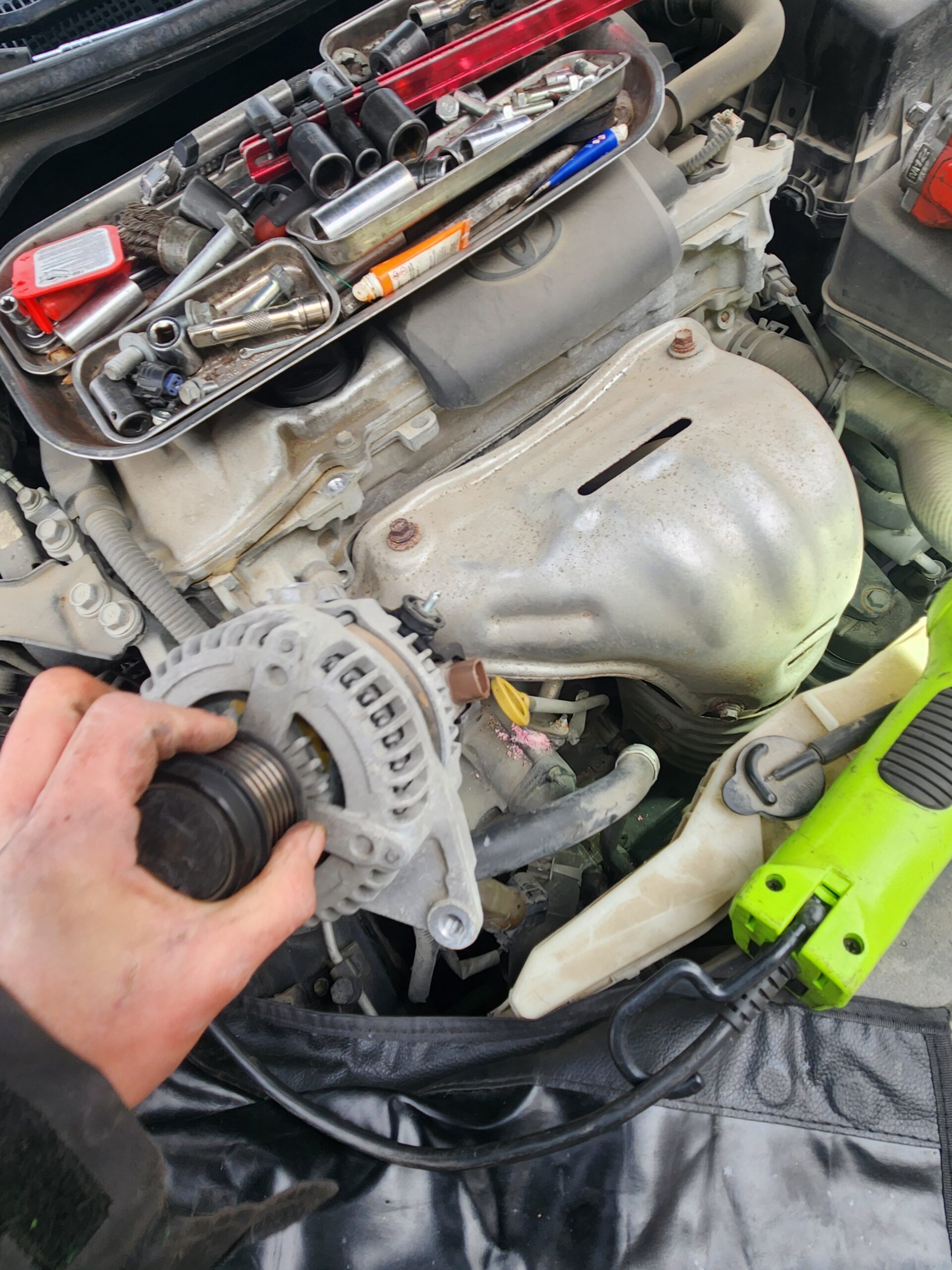
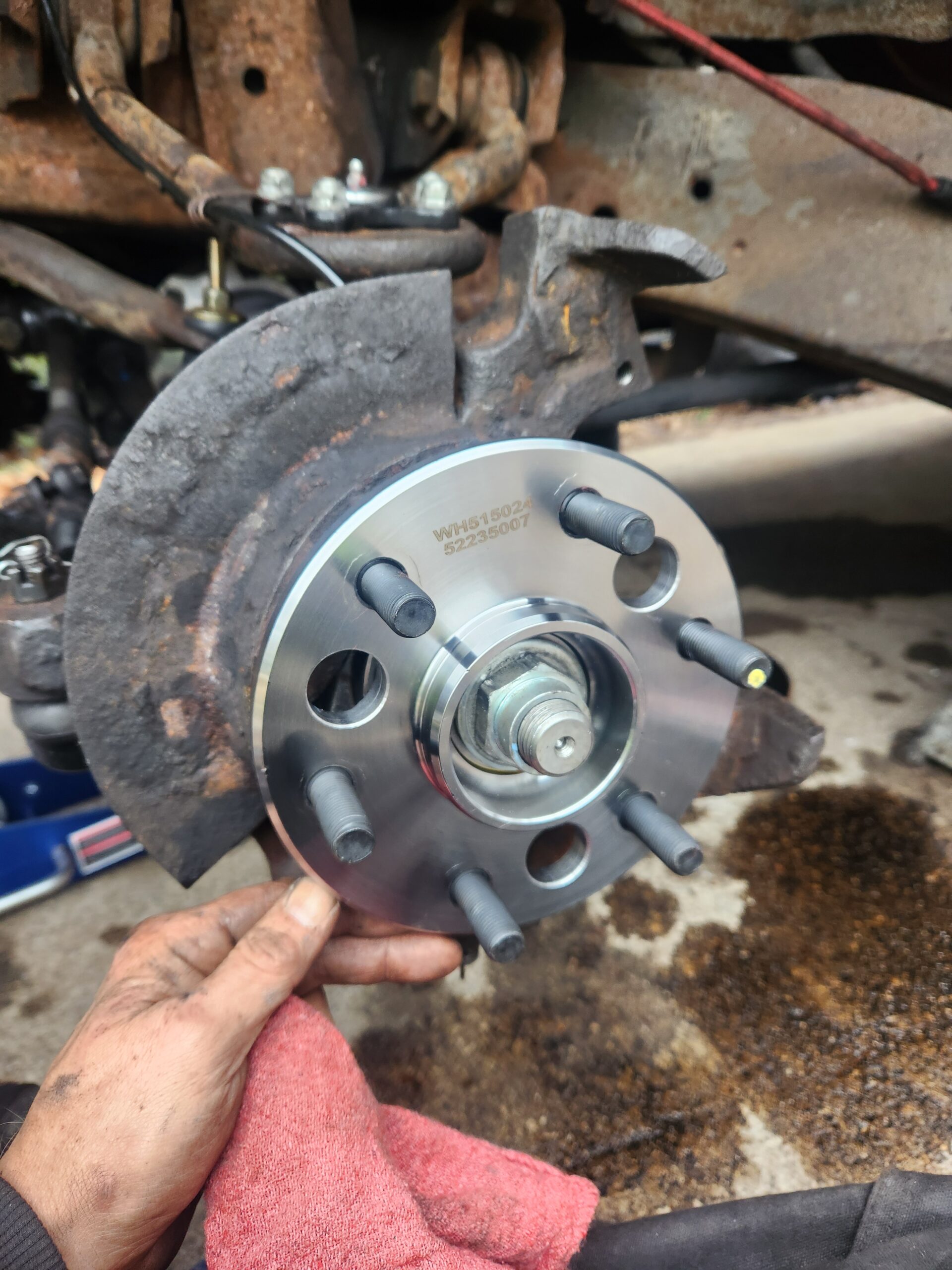
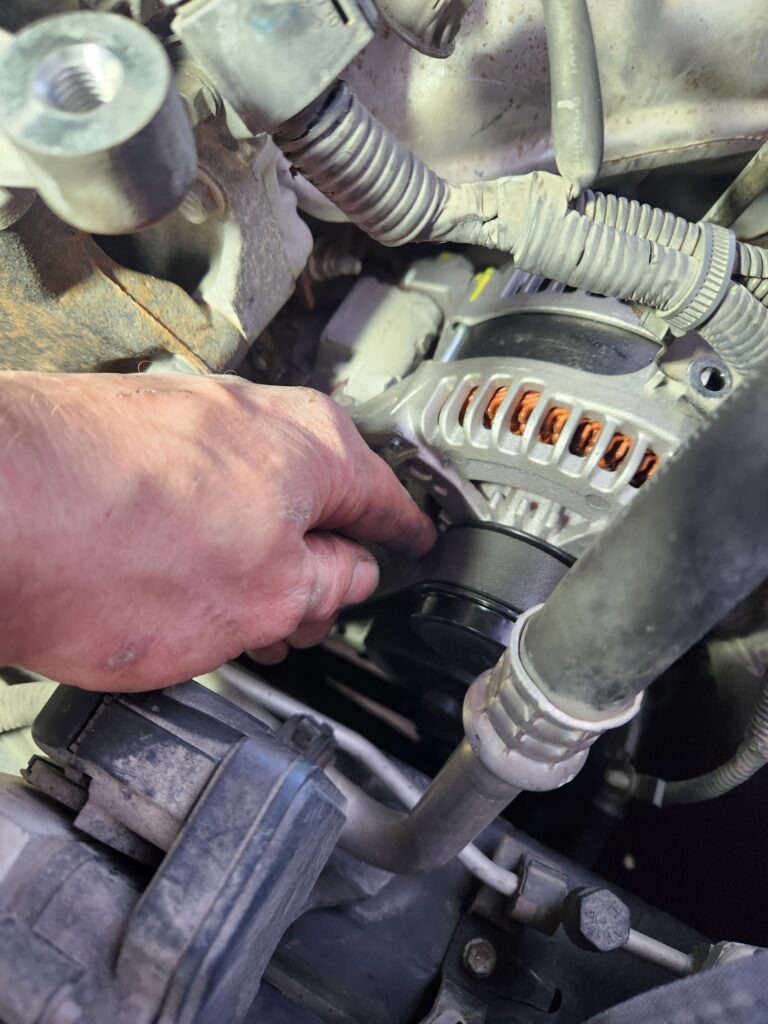
Receive a comprehensive auto repair package delivered directly to your doorstep. This package includes all necessary parts, supplies, detailed diagrams, and step-by-step procedures. Simplify your repair process with this all-inclusive solution. Rental tools are also available for specialized tasks. Ensure a smooth and efficient repair experience with this convenient package.
Description
-
Introduction to DIY Auto Repair
Do-it-yourself (DIY) auto repair is an increasingly popular approach among vehicle owners seeking to manage maintenance and repairs independently. This trend empowers individuals to take control of their automotive needs, often resulting in significant cost savings. By learning to perform repairs themselves, car owners can circumvent expensive labor costs typically associated with automotive service centers. Over time, the cumulative financial benefits of DIY auto repair can be substantial, making it an appealing alternative to traditional professional services.
Beyond monetary advantages, engaging in DIY auto repair fosters a valuable skill set. As individuals become more informed about their vehicles, they cultivate a sense of mechanical intuition that can enhance their overall understanding of automotive systems. This knowledge not only benefits owners in resolving existing issues but also equips them to anticipate potential problems, leading to proactive maintenance practices. Moreover, this journey encourages problem-solving abilities that extend beyond the realm of auto repair, offering skills applicable in various other life situations.
Equally important is the satisfaction derived from completing repairs independently. Successfully tackling a challenging task instills confidence and a sense of achievement. This gratification can transform the experience of vehicle ownership, as individuals take pride in their hands-on involvement in the upkeep of their cars. However, embarking on DIY auto repair projects requires careful preparation. Prospective DIYers must equip themselves with the right tools and parts, as well as a solid foundation of knowledge pertaining to their specific vehicle model and its systems.
In a world where automotive technologies continue to evolve, understanding basic repair practices can be invaluable. For those considering venturing into the realm of DIY auto repairs, this guide serves as an essential resource, addressing not only the benefits of self-repair but also the necessary preparations to ensure success in future automotive endeavors.
Essential Tools for DIY Auto Repairs
Engaging in DIY auto repairs necessitates a well-curated selection of tools that cater to various tasks within automotive maintenance and repair. Acquiring the right tools can significantly enhance efficacy and safety during the repair process. Below, we outline critical categories of tools essential for successful DIY auto repairs.
Firstly, hand tools are foundational to any auto repair toolkit. A set of wrenches, including adjustable and socket types, is crucial for loosening or tightening bolts. Screwdrivers, encompassing both flat-head and Phillips types, are indispensable for accessing various engine components and securing panels. Additionally, pliers and wire cutters are necessary for manipulating wires and components, ensuring a versatile approach to any automotive issue.
Power tools represent another vital category for DIY enthusiasts. An impact wrench can drastically reduce the time needed for tasks such as removing lug nuts or other fasteners. Similarly, a cordless drill can serve multiple purposes, facilitating drilling and securing screws more efficiently. When choosing power tools for automotive repairs, it’s paramount to consider their efficiency and durability.
Specialized equipment further enhances the ability to diagnose and resolve automotive issues. A diagnostic scanner becomes necessary for modern vehicles, as it allows users to read error codes and monitor engine health. Tire pressure gauges and fluid dispensers are additional tools essential for maintaining optimal vehicle performance.
When selecting tools, quality should always take precedence. Investing in reputable brands often translates to longevity and reliability. Regular maintenance of tools, such as cleaning and proper storage, is also critical. Additionally, following safety protocols while using tools can prevent accidents and injuries, making the DIY auto repair experience more productive and enjoyable. Overall, having the right tools at your disposal is a crucial step in becoming a proficient DIY auto repair enthusiast.
Understanding Auto Repair Parts and Components
Auto repair involves various components that are essential for the functioning of a vehicle. Understanding these parts is critical for any DIY enthusiast seeking to perform repairs or replacements. The key components include the engine, transmission, brakes, suspension, and electrical systems. Each of these elements plays a specific role in the overall performance of a car. For instance, the engine provides power, while the transmission transfers that power to the wheels, allowing for movement.
When it comes to repairs, specific parts are frequently involved. Common components that often require attention include brake pads, spark plugs, batteries, and filters. It is vital to understand the function of each component to diagnose any issues accurately. For example, worn brake pads can lead to decreased stopping power, while faulty spark plugs may result in poor engine performance. Knowledge of these components not only aids in repair but also helps in preventive maintenance.
Sourcing high-quality parts is equally important during the repair process. Car owners generally have two primary options: Original Equipment Manufacturer (OEM) parts and aftermarket parts. OEM parts are produced by the vehicle’s manufacturer, ensuring a perfect fit and compatibility. On the other hand, aftermarket parts are produced by third-party companies and may offer cost savings or enhanced performance, but compatibility with your specific vehicle model should be verified.
Selecting the correct parts is crucial for ensuring successful repairs. It is advisable to refer to the vehicle’s manual or consult trusted automotive resources to identify the right components for your make and model. Investing time in understanding the various auto repair parts and their functions, alongside sourcing high-quality options, will empower car owners to perform effective repairs and maintain their vehicles efficiently.
Using Diagrams and Manuals for DIY Repairs
Engaging in DIY auto repair can often present a challenging but rewarding experience. A crucial element in successfully navigating these repairs involves the use of diagrams and manuals. These resources not only provide vital information on the mechanics of a vehicle but also serve as valuable guides throughout the repair process. Understanding how to interpret repair diagrams is fundamental in ensuring effective and accurate repairs.
Diagrams such as schematics and exploded views provide visual representation of vehicle components and their relationships. Schematics often depict the electrical systems, displaying how circuits connect and function, while exploded views illustrate how parts fit together. Familiarizing oneself with these types of diagrams can significantly ease the repair process by allowing DIY enthusiasts to locate components quickly and efficiently. For instance, when addressing an issue with the ignition system, referring to a schematic can offer insight into the wiring connections, aiding in troubleshooting and repair.
When it comes to finding repair manuals specific to your vehicle, there are a multitude of resources available. Websites like Haynes and Chilton provide comprehensive manuals that are specific to make and model, offering in-depth instructions and detailed diagrams tailored to your needs. Additionally, many manufacturers provide downloadable service manuals on their websites, which can be invaluable for accessing vehicle-specific information. While general repair guides may cover common repair techniques, they often lack the detailed information necessary for particular issues encountered in different vehicle makes.
In conclusion, utilizing diagrams and manuals effectively can enhance the DIY auto repair process significantly. By learning to interpret these resources and locating manuals pertinent to your specific vehicle, you can ensure a more confident and informed approach to your auto repair projects.
Step-by-Step Repair Processes and Safety Tips
Engaging in DIY auto repair demands a systematic approach to ensure the effectiveness and safety of each task undertaken. The first step for any repair is to accurately diagnose the issue. Utilizing resources such as repair manuals or online forums can provide useful insights about the specific symptoms of the vehicle. Once the problem is identified, gathering necessary tools and supplies is imperative for a smooth workflow. Common tools include socket sets, wrenches, and pliers, which are essential for tasks ranging from oil changes to brake replacements.
For basic repairs like an oil change, the process typically involves locating the oil drain plug beneath the vehicle and removing it to allow the old oil to drain out. Following this, replacing the oil filter and adding new oil are critical steps. Precise measurements of oil types and quantities should be adhered to, in accordance with the vehicle’s specifications. These procedures not only extend the engine’s life but also ensure optimal performance.
Equally important is the necessity of a safe working environment. Working in a well-ventilated area minimizes exposure to toxic fumes and harsh chemicals. Additionally, wearing protective gear, such as goggles and gloves, provides necessary defense against potential hazards. It is advisable to keep a fire extinguisher nearby, particularly when dealing with flammable substances. Moreover, familiarity with the vehicle’s manual will help troubleshoot common issues like fluid leaks, strange noises, or warning lights.
An organized approach to DIY auto repairs enhances efficiency and success. Following a step-by-step process, prioritizing safety, and embracing continuous learning through resources like online tutorials significantly contribute to effective repairs. Practicing these procedures will not only ensure safe operation but also instill confidence in your ability to handle future automotive challenges.
Reviews
There are no reviews yet.