Your cart is currently empty!
Category: Auto Repair DIY
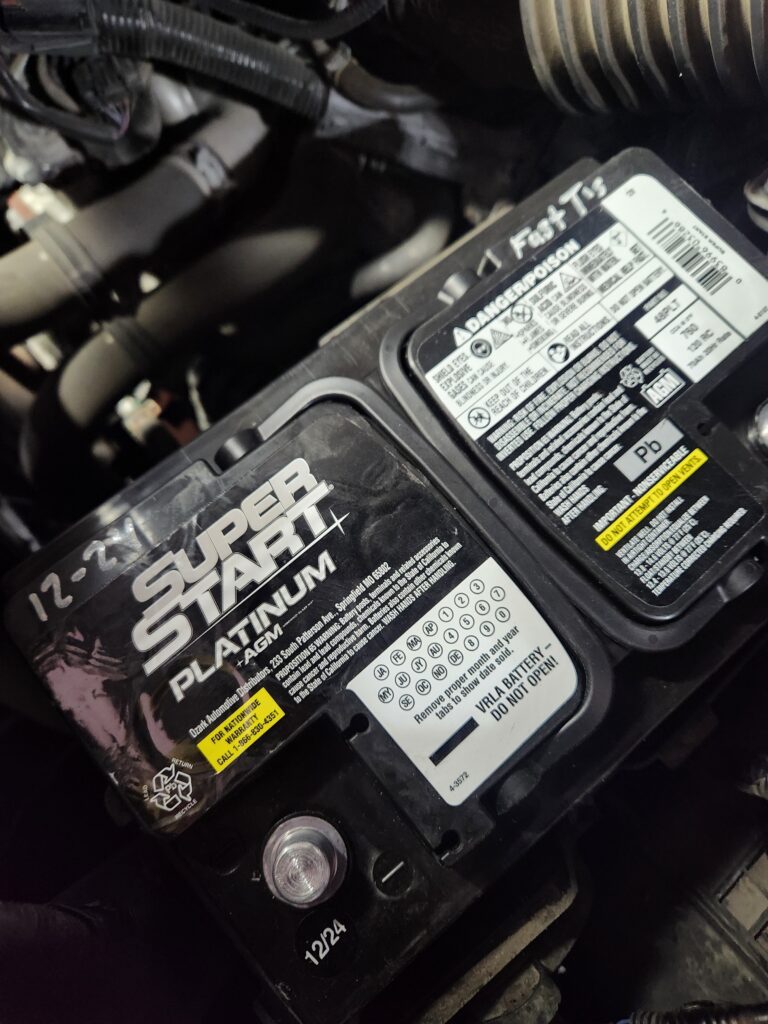
Testing Car Batteries
Is Your Car Battery Losing Its Charge? Here’s How to Test It Yourself.
A dead battery can leave you stranded at the worst possible time. But before you call for a tow truck, it’s worth checking the battery yourself. This simple test can save you time and money.Here’s what you’ll need:
* Hydrometer: If your battery is a flooded lead-acid type (you can see the liquid inside).
* Voltmeter: Digital or analog.
* Pair of safety glassesHere’s how to test your car battery:
1. Safety First:
* Wear safety glasses to protect your eyes from any potential acid spray.
2. Visual Inspection:
* Look for any signs of damage: Cracks, corrosion, or bulging on the battery case. * Check the terminals: Look for corrosion around the terminals. Clean them with a wire brush if necessary.
3. Voltage Test (All Battery Types):
* Turn off all accessories in your vehicle.
* Connect the red probe of your voltmeter to the positive (+) terminal of the battery.
* Connect the black probe to the negative (-) terminal.
* Read the voltage. * A fully charged battery should read between 12.4 and 12.6 volts.
* A battery with less than 12.4 volts may need charging or replacement.
4. Hydrometer Test (Flooded Lead-Acid Batteries Only):
* Remove the battery caps carefully.
* Insert the hydrometer into each cell.
* Read the specific gravity reading on the hydrometer.
* Each cell should have a specific gravity reading between 1.225 and 1.280.
* If any cell has a lower reading, it may indicate a weak or dead cell.5. Load Test (Optional):
* For a more accurate assessment, use a battery load tester.
* This device simulates the electrical load placed on the battery when the engine starts.
* Follow the manufacturer’s instructions for using the load tester.Interpreting the Results:
* If the voltage test and/or hydrometer test show low readings, your battery may need to be recharged or replaced.
* If the load test fails, the battery likely needs to be replaced.Tips for Maintaining Your Battery:
* Keep the battery terminals clean.
* Regularly check the electrolyte level in flooded batteries (if applicable).
* Avoid excessive idling.
* Have your battery tested regularly, especially before winter.
Disclaimer: This information is for general guidance only. Always refer to your vehicle’s owner’s manual for specific instructions and safety precautions.By following these steps, you can quickly and easily determine the health of your car battery. If you’re unsure about any of these steps or if you’re uncomfortable working on your vehicle’s electrical system, it’s always best to consult a qualified mechanic.I hope this helps!
Auto Repair Made Simple
Embrace the DIY Auto Repair Movement
Do you ever feel that pit in your stomach when your car makes an unusual noise? Luckily, the world of DIY auto repair is just a click away! Many car owners are taking charge of their vehicle maintenance, and with our virtual mechanic, you’re never alone on this journey.
Getting Started with Your Virtual Mechanic
Using our virtual mechanic, you’ll find all the guidance you need to tackle common auto repair tasks confidently. Whether it’s changing your oil or fixing a leaky radiator, our comprehensive video tutorials and step-by-step instructions will simplify the process. You can learn at your own pace, ensuring you have the skills to handle any repair that comes your way.
Benefits of DIY Auto Repair
Engaging in DIY auto repair not only saves you money but also empowers you with knowledge about your vehicle. Plus, it can be a fun way to spend your weekend! With our support, you’ll be able to troubleshoot issues as they arise and keep your car in prime condition without needing to rely on costly mechanics. Embrace the satisfaction of fixing your car with confidence!